In 2026, manual document verification no longer just looks like an outdated practice - it is becoming a direct source of business risks. This is especially noticeable in the hotel industry, where speed, accuracy and compliance with regulatory requirements play a critical role. Despite the development of management software solutions and integrations with hotel PMS systems, many companies still rely on visual passport verification and manual data entry. This solution is more expensive than it seems at first glance.
Data Errors As a Hidden Threat
Manual input of information is always associated with a human factor. Even under the best conditions, an administrator may make a mistake when entering a name, document number, or date of birth. In high-load conditions, such as during mass arrivals, such errors become systemic.
Inaccurate data directly affects:
- Compliance with legal requirements
- Correctness of reporting
- Efficiency of business intelligence software solutions
When data is sent to property management software for hotels with errors, all analytics lose their value. This undermines not only operational processes but also data-driven strategic decisions.
Vulnerability To Fraud
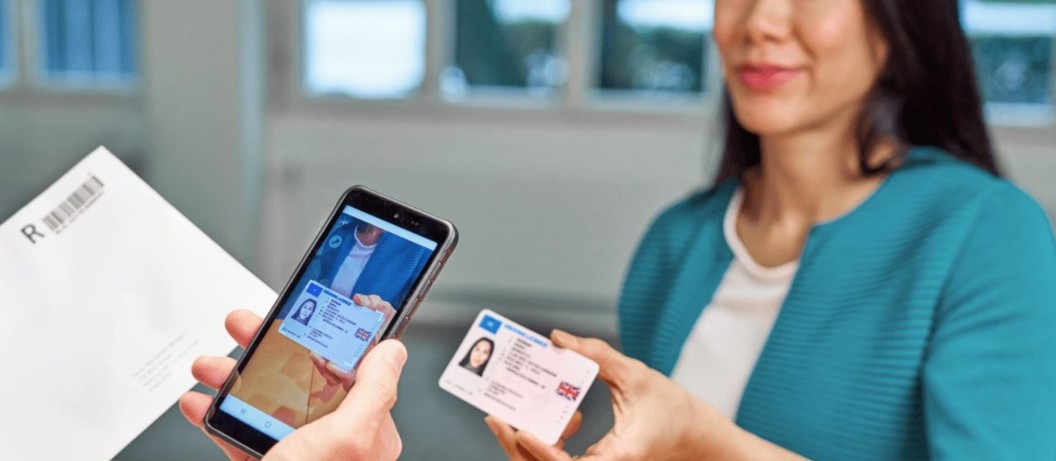
Modern fake documents are becoming increasingly difficult to distinguish visually. Without using technologies such as ID scanner, passport scanner or driving license scanner, the staff is actually working blindly.
- Manual verification is not capable:
- detect microtext or digital anomalies
- Verify the authenticity of the document in real time
- Compare data with external databases
In contrast, automated mobile ID verification provides a higher level of security and reduces the risk of settlement with forged documents.
Slowing Down Operations And Loss Of Revenue
In an era when mobile check in hotels is becoming the standard, waiting at the front desk is no longer just an inconvenience, but a factor in customer loss. Guests can expect fast and contactless service, including hotel mobile check in app and digital key.
Manual processes:
- Increase the registration time
- Create queues
- They overload the staff
As a result, hotels lose their competitiveness compared to those who have implemented self check in hotel, hotel self check in kiosk or iPad hotel check in solutions.
Non-Compliance With Modern Expectations Of The Guests
Today's guests are used to the digital experience. They use mobile hotel check in, choose hotels with mobile check in, and expect contactless checkin hotel as standard.
Lack of solutions such as:
- Portable check in
- Ipad check in kiosk
- Hotel kiosk software
creates a gap between expectations and reality. Even elements such as the hotel table reservation or the hotel food ordering system are already being integrated into unified digital ecosystems, where manual processes simply do not fit.
Risks To Compliance
In many countries, hotels are required to transfer guest data to government systems. Errors or delays in transmitting information may result in fines or sanctions.
Integration with systems such as Opera Cloud PMS and the use of automated solutions allow:
- Instantly transfer data
- Minimize errors
- Ensure transparency of processes
Manual verification cannot guarantee this level of reliability.
Loss of Control Over Operations
Without digitalization, a business loses control over key processes. Business software management and modern management software solutions assume centralized management of data and operations.
Manual processes create:
- Disparate data
- Lack of transparency
- The difficulty of scaling
While hotel check in software, kiosk and paperless check in allow you to build a single, manageable process.
Final Thoughts and Recommendations
Manual identity verification in 2026 is not just an outdated approach. This is a source of bugs, vulnerabilities, and missed opportunities. In an environment where contactless hotel check-in, hotel check in kiosk and digital ecosystems are becoming the norm, abandoning automation means conscious risk-taking.
Companies that switch to paperless check-in, implement ID scanner for hotels, and integrate processes into hotel PMS software gain not only operational advantages, but also a strategic advantage in the market.