Dubai has moved rapidly toward citywide contactless check in models across hospitality. What began as a response to health and safety concerns has evolved into a structural shift in how front office operations function. For hotels operating in this environment, contactless check in is no longer a feature. It is an operational standard that reshapes staffing, workflows, compliance, and technology architecture.
At the center of this shift is hotel property management software. When identity verification, registration, digital key issuance, and authority reporting are embedded into the PMS workflow, the front desk transforms from a data-entry station into a control and exception-management hub.
From Counter-Based Registration to Distributed Check-In
Traditional front office operations revolve around the physical desk:
- Verify guest identity
- Manually enter data
- Print documents
- Issue key
- Store copies
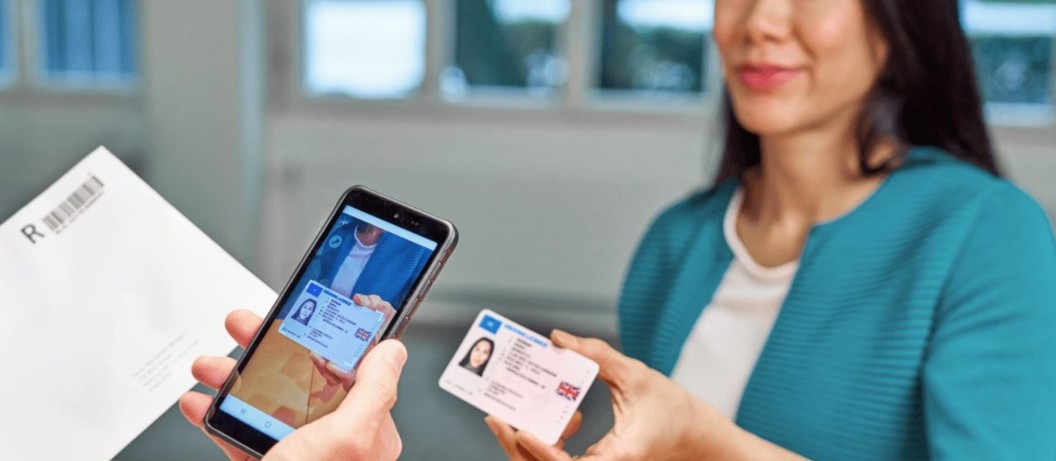
With citywide contactless check in, these steps are redistributed. Guests increasingly complete registration through mobile check in processes before arrival. ID capture, form submission, and digital acknowledgments occur remotely.
This changes the workload structure. Staff are no longer focused on typing passport details or photocopying documents. Instead, they monitor incoming profiles, validate exceptions, and handle edge cases such as mismatched identity fields or incomplete submissions.
The shift reduces queue pressure during peak check-in windows and smooths arrival flows, especially in high-occupancy properties.
Identity Verification Becomes a System Function
In a contactless check in environment, identity verification must operate inside the system, not at the desk.
Modern property management software for hotels integrates OCR-based document scanning, profile synchronization, and secure record storage. Whether guests use mobile check in or portable check in at the entrance, identity data updates the PMS automatically.
This automation has three operational effects:
- Reduced transcription errors
- Faster guest throughput
- Structured audit trails
Front office teams no longer spend time retyping document numbers. Instead, they verify flagged discrepancies and manage exceptions.
The Rise of Portable and Mobile Workflows
Dubai’s hospitality landscape includes large resorts, business hotels, serviced apartments, and mixed-use developments. Portable check in solutions enable staff to complete registration anywhere: lobby lounges, conference halls, or private villas.
This mobility redefines role allocation. Front office staff are no longer desk-bound. They operate as mobile service agents equipped with tablets connected to hotel management software solutions.
Mobile check in hotels models also reduce dependency on fixed infrastructure. During high-volume events or exhibitions, hotels can scale check-in points without expanding physical desk space.
Compliance and Data Governance Remain Central
While the guest experience becomes smoother, regulatory requirements remain strict. Hotels must capture accurate identification data and maintain traceable records.
In a citywide contactless check in model, compliance shifts from manual verification to configuration control:
- Proper masking of sensitive fields
- Defined overwrite logic for scanned data
- Secure storage of document images
- Audit trail logging
Front office teams must understand that compliance is embedded in business software management processes. Configuration errors can have a larger impact than human error in traditional systems.
IT and operations must work closely to ensure that data governance rules are applied consistently across all mobile check in hotels workflows.
Operational Intelligence and Performance Tracking
When identity capture and check-in workflows are digitized, data becomes measurable.
Business intelligence software solutions can analyze:
- Average check-in completion time
- Exception rates in ID verification
- Peak mobile check in usage periods
- Staff intervention frequency
This visibility allows hotels to optimize staffing schedules, adjust workflow design, and refine guest communication.
Front office performance is no longer evaluated only by queue length. It is evaluated through system metrics and digital efficiency.
The Front Desk Becomes a Control Center
Citywide contactless check in does not eliminate the front office. It redefines it.
The desk becomes:
- An escalation point for identity mismatches
- A compliance monitoring station
- A support hub for guests who opt out of mobile check in
- A coordination point between security, IT, and operations
Staff skills shift from data entry toward problem resolution, guest engagement, and system oversight.
Strategic Implications for Hotel Groups
For multi-property operators in Dubai, standardization becomes critical. Distributed check-in across properties requires uniform configuration inside property management software for hotels.
Without centralized control, mobile check in hotels processes can vary, increasing compliance risk. Strong management software solutions ensure that identity workflows, storage rules, and audit procedures are aligned across locations.
This standardization also supports scalability. As demand fluctuates seasonally, hotels can scale digital workflows without restructuring physical infrastructure.
Thoughts & Recommendations
Dubai’s citywide contactless check in model has permanently changed front office operations. Registration is no longer a manual task performed at a single counter. It is a distributed, system-driven process embedded in property management software for hotels.
For hotels that implement it correctly, the result is:
- Reduced operational friction
- Improved data accuracy
- Stronger compliance control
- Measurable performance insights
Contactless check in is not simply about convenience. It is about restructuring the front office around automation, mobility, and governed digital workflows.