A self-exclusion list only protects people if the casino can recognise them. That sounds obvious, yet research and enforcement records show the same gap again and again. Players on the list walk in, play and cash out because nothing at the door, table or cage matched them to the list.
This guide covers how state programmes work, why matching fails, where biometrics fit, and how to build a process that holds up when a regulator asks.
The problem: self-exclusion is easy to breach
A study of Missouri casino self-excluders (Nelson and colleagues, 2010) found that half of those who tried to enter a Missouri casino after enrolling succeeded. A systematic review in the Journal of Gambling Studies (Kotter and colleagues, 2019) found breach rates ranging from 8% to 59% across studies, and recommended stronger access controls.
Regulators notice. In Pennsylvania, Wind Creek Bethlehem was fined $22,500 in 2022 after a self-excluded woman stayed about 81 hours and bought $10,495 in chips. Its ID-scanning process never flagged her because she was never asked for ID. That case shows the core lesson: a list is only as strong as the moment of matching.
How state self-exclusion rules differ
Each state sets its own terms, enrolment process and casino duties. A snapshot of major markets:
| State | Regulator | Casino self-exclusion terms | Notes |
|---|---|---|---|
| Pennsylvania | Gaming Control Board | 1 year, 5 years or lifetime | Casinos must refuse wagers, stop marketing and report discoveries within 24 hours |
| New Jersey | Division of Gaming Enforcement | 1 year, 5 years or lifetime | Separate internet gaming and sports wagering option; excluded players forfeit winnings |
| Massachusetts | Gaming Commission | 1, 3 or 5 years, or lifetime | Lifetime only after a shorter term; reinstatement session required |
| Michigan | Gaming Control Board | Disassociated Persons List | Since Public Act 225 of 2020, removal can be requested after at least 5 years |
| Illinois | Gaming Board | Minimum 5 years | New shorter terms proposed in September 2026, pending rule review |
| Nevada | No state-run casino list | Operator programmes | Regulation 5.170 requires self-limitation options for credit, cheque cashing and marketing |
The common thread: once a person is on the list, the operator carries the duty to keep them off the floor and out of marketing. Pennsylvania's rules, for example, require staff training to identify excluded persons, refusal of wagers, removal from mailings and player-club offers, and reporting to the state's problem gambling office within 24 hours.
A newer layer is the National Voluntary Self-Exclusion Program (NVSEP), run by idPair. It launched in 2024 and, as of May 2026, listed eight participating jurisdictions. Multi-state lists increase the number of names an operator must check, which makes accurate matching even more important.
Why name matching fails
Most self-exclusion checks still start with a name lookup. Names are a weak key:
- Variants and nicknames: "Katherine" enrols; "Kate" or "Kathy" shows up.
- Data entry errors: a typo in either the list or the casino record breaks an exact match.
- Name changes and hyphenation: marriage, divorce and cultural naming conventions change how a name appears.
- Missing identifiers: a list entry without date of birth forces staff to guess.
- No ID checkpoint: if no one scans an ID, there is nothing to match at all.
Better matching uses several fields at once, such as name, date of birth and ID number, and scores how closely they agree. It flags near-matches for human review rather than auto-clearing them. ID scanning helps because it captures clean, structured data from the document itself, instead of relying on a typed name.
Where biometrics help, and where they bring risk
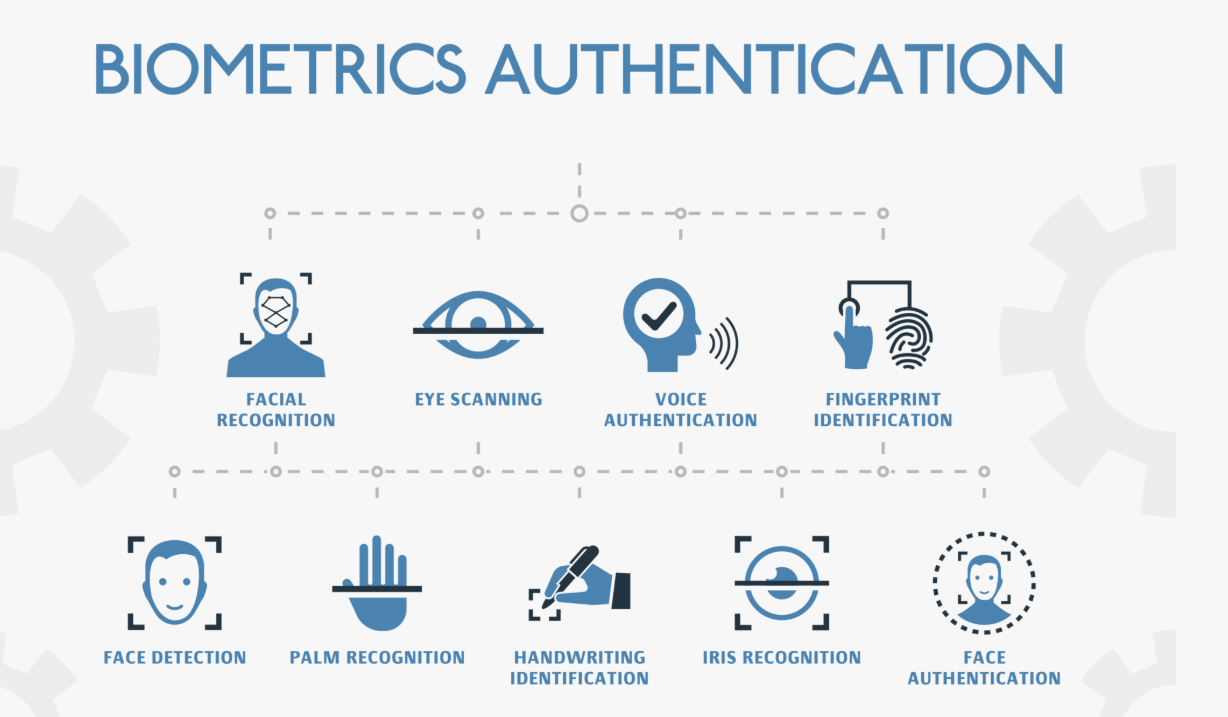
Facial recognition can identify a self-excluded person even when no ID is presented. Ontario's OLG began rolling it out for self-exclusion in 2011, built on privacy-protective "biometric encryption" research. Some US properties use facial recognition to flag self-excluded patrons, though no US state that we found requires it.
Biometrics bring their own legal duties. In the US these come mainly from state privacy law:
- Illinois BIPA (740 ILCS 14): written notice, a written release and a public retention and destruction policy before collecting biometrics. It allows private lawsuits with damages of $1,000 per negligent or $5,000 per intentional or reckless violation. A 2024 amendment (SB 2979) made repeated collection from the same person by the same method count as a single violation.
- Texas CUBI: notice and consent for commercial capture, destruction within a year after the purpose ends, and civil penalties up to $25,000 per violation, enforced by the attorney general.
- Washington (RCW 19.375): notice and consent or an opt-out before enrolling biometrics for a commercial purpose, with an exemption for security purposes. Enforced by the attorney general.
- Colorado (HB24-1130): effective 1 July 2025, requires a written biometric policy, notice and consent, and deletion within set time limits.
The practical takeaway: biometrics can close the "no ID shown" gap, but they need consent flows, retention rules and legal review in each state where you operate. This is general information, not legal advice.
What failure costs
Enforcement is regular and public. Recent examples:
| Date | Operator | Regulator | Fine | Issue |
|---|---|---|---|---|
| January 2026 | Borgata | New Jersey DGE | $11,000 | Wagers from self-excluded patrons; list not kept current |
| January 2025 | BetMGM (online) | Pennsylvania GCB | $260,905 | 152 instances of self-excluded players gambling online |
| April 2024 | Hollywood Casino at The Meadows | Pennsylvania GCB | $10,000 | Excluded person played slots and cashed cheques |
| May 2022 | Wind Creek Bethlehem | Pennsylvania GCB | $22,500 | Excluded patron stayed about 81 hours without being flagged |
| May 2022 | Hollywood Casino Penn National | Pennsylvania GCB | $10,000 | Cashier did not check the list before cashing a cheque |
Fines are only part of the cost. Each breach also means harm to a vulnerable person, reputational damage and closer regulatory attention.
A self-exclusion process that holds up
- Check at every gate that matters: entry where permitted, player-club sign-up, the cage, cheque cashing, credit and jackpot payouts.
- Scan, don't type: capture identity data from the ID document to avoid entry errors.
- Match on several fields and route near-matches to trained staff.
- Sync lists automatically from each state and programme you participate in, and keep version history.
- Suppress marketing for every listed person across all channels.
- Log every check and alert so you can prove compliance in an audit.
- If you use biometrics, document consent, retention and deletion for each state.
How Samsotech helps casinos keep lists effective
Samsotech eVERIFY is built for casinos and gaming venues. It scans passports, national IDs and driving licences, and provides built-in watch-list, stop-list and blacklist management with staff alerts on a match. Lists can be created or imported, and reports include audit trails and suspicious activity. At the cage, eCAGE digitises ID capture, signatures and transaction records with searchable audit trails. VICAS Club and VICAS Pub support membership and visitor ID records.
Together with our passport and ID scanners and eValidate document authentication, they help make sure the person at your desk is checked against the right list, every time. To check that the ID itself is genuine, see Fake ID Detection: What UV, IR and Chip Authentication Catch That the Eye Can't (link when live). Contact us to review your self-exclusion workflow.
FAQs
How long does casino self-exclusion last?
It depends on the state. Pennsylvania and New Jersey offer 1 year, 5 years or lifetime. Massachusetts offers 1, 3 or 5 years, or lifetime. Illinois currently requires a minimum of 5 years.
What happens if a casino lets a self-excluded person gamble?
Regulators can fine the operator. Recent fines range from $10,000 to more than $260,000. In several states, the excluded player also forfeits winnings.
Can casinos use facial recognition for self-exclusion?
Some do, but biometric privacy laws such as Illinois BIPA, Texas CUBI, Washington RCW 19.375 and Colorado's 2024 law set notice, consent and retention rules.
Is there a national self-exclusion list in the US?
There is no federal list. The National Voluntary Self-Exclusion Program, run by idPair, works with a growing group of jurisdictions.