Most patient identity problems start at the front desk. A misspelled name, a swapped date of birth or a second record created because staff could not find the first one. Each looks minor in the moment. Together, they drive denied claims, repeated tests, delayed care and real safety risks.
This guide pulls together what the research says about the scale and cost of patient identity errors in the US, and what registration teams can do about them.
How common are duplicate records?
Estimates vary by method, but every credible source points to a persistent problem:
- AHIMA: the average master patient index carries a duplicate rate of 8% to 12%, according to a 2019 Journal of AHIMA article. The same article estimates each duplicate pair costs about $96 to resolve.
- Black Book (2018 survey of 1,392 health technology managers): hospitals reported an average duplicate rate of 18% before adopting an enterprise master patient index.
- Between organisations: a Pew Charitable Trusts letter cited research showing match rates between health organisations can be as low as 50%.
In plain terms: in many hospitals, roughly one record in ten, or more, may be a duplicate.
What duplicates and misidentification cost
| Finding | Figure | Source |
|---|---|---|
| Cost of repeated care from a duplicate record | $1,950 per patient per inpatient stay; more than $800 per ED visit | Black Book, 2018 |
| Denied claims linked to inaccurate patient identification | 35% of denied claims | Ponemon Institute, 2016 (503 respondents) |
| Annual cost of those denials | About $1.2 million per average facility | Ponemon Institute, 2016 |
| Denials caused by incomplete or incorrect registration data | 32% of providers cite it as a top cause | Experian Health, State of Claims 2025 |
| Average cost of a healthcare data breach | $7.42 million | IBM Cost of a Data Breach, 2025 |
The Ponemon figures are based on respondent estimates, and the Experian figure reflects what providers report as leading denial causes. Even so, they line up. Experian's 2025 survey also found that 41% of providers say claims are denied at least 10% of the time, up from 30% in 2022.
The safety cost is harder to price
Money is only part of it. In the Ponemon survey, 86% of respondents said they had witnessed or knew of a medical error caused by patient misidentification.
ECRI analysed 7,613 wrong-patient events reported by 181 organisations over 32 months, and ranked patient identification errors second on its Top 10 Patient Safety Concerns list for 2016. About 12.6% of the failures happened at intake, which covers registration and scheduling. Most events were caught before causing harm, but the near-misses show how often the wrong record is in play.
Newer evidence is sobering. A 2026 study in BMJ Quality & Safety across 12 US hospitals found that patients with duplicate records had about five times the risk of in-hospital death after adjustment, along with higher odds of intensive care and longer stays. The study is observational, so it shows an association, not proof that duplicates caused the deaths. It is still a strong signal that record integrity and patient outcomes are linked.
Why the US relies on good registration
The US has no national unique patient identifier. Since fiscal year 1999, a rider in federal appropriations law (Section 510) has barred HHS from spending funds to adopt one. In 2025, a coalition of about 200 organisations, including AHIMA, HIMSS and The Joint Commission, asked Congress to remove it.
Without a national ID, every hospital matches patients using demographics: name, date of birth, sex, address and phone number. That makes the quality of data captured at registration the single biggest control you have.
Accreditation standards reflect this. For years, The Joint Commission's National Patient Safety Goal NPSG.01.01.01 required at least two patient identifiers when providing care. From 1 January 2026, hospital programmes moved to new National Performance Goals, and the first goal focuses on identifying the right patient. Check the current manual for your programme's exact requirements.
Where registration errors come from
- Manual typing of names, dates and insurance numbers
- Search failures that lead staff to create a new record instead of finding the existing one
- Name variants such as nicknames, hyphenated names, transliterations and name changes
- Inconsistent formats for addresses and phone numbers
- Medical identity theft, where someone uses another person's details to obtain care. The FTC warns that this can introduce wrong information into the victim's records.
- Rushed environments such as the emergency department, where unidentified patients are registered under temporary names
Fixes that have evidence behind them
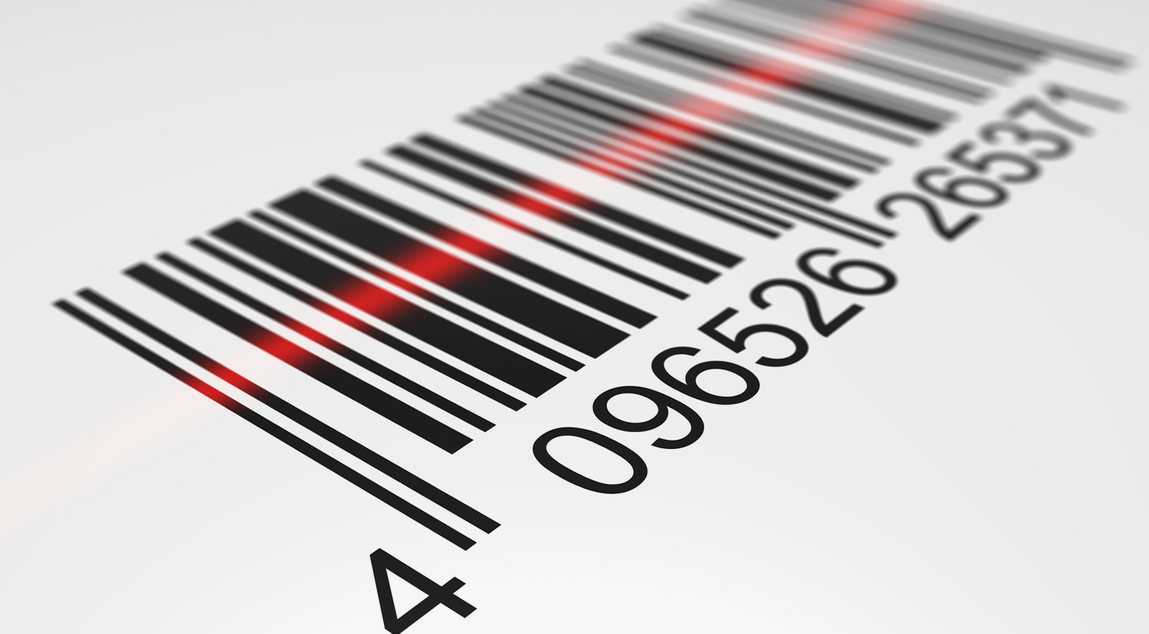
- Capture data from the ID, don't type it. Scanning a driver's licence or passport pulls name, date of birth and address straight from the document, removing a major source of typos. The PDF417 barcode on US licences carries these fields in a standard format. (See MRZ vs Barcode vs Chip (link to blog 2) for what a scanner reads.)
- Add a patient photo to the record. A study at Brigham and Women's Hospital emergency department, published in JAMA Network Open in 2020, found wrong-patient order errors were 35% lower when the patient's photo was displayed.
- Standardise addresses. A Pew-funded study found that formatting addresses to the US Postal Service standard improved match rates by up to 3%, and by up to 8% when last names were also standardised. ONC's Project US@ provides a unified address specification.
- Search before you create. Require a structured search on several fields before a new record can be opened.
- Work the duplicate queue. Review and merge suspected duplicates promptly; the cost and risk grow the longer they sit.
- Verify identity documents to reduce medical identity theft at the point of registration.
How Samsotech supports accurate registration
Samsotech passport and ID scanners read driving licences, national IDs and passports, extract the fields with OCR and transfer structured data into connected systems. That cuts manual entry and the typos that create duplicate records. Our healthcare solutions offer identity-verified registration with role-based access, encrypted storage and full audit logging, as used in programmes such as eVAS for vaccination administration.
For self-service intake, kiosk check-in brings the same scanning to the lobby. If your kiosks face patients, our ADA compliance checklist for self-service kiosks is worth a read. Contact us to discuss integration with your registration workflow.
FAQs
What is the average duplicate record rate in US hospitals?
AHIMA cites 8% to 12% for the average master patient index. A 2018 Black Book survey reported 18% before hospitals adopted an enterprise master patient index.
How much does a duplicate medical record cost?
Black Book estimated repeated care costs of $1,950 per inpatient stay and more than $800 per emergency visit. Resolving each duplicate pair costs about $96, according to AHIMA.
What percentage of denied claims come from patient identification errors?
In Ponemon Institute's 2016 survey, respondents estimated that 35% of denied claims resulted from inaccurate patient identification.
Does the US have a national patient identifier?
No. A federal appropriations rider in place since 1999 bars HHS from funding one, so hospitals rely on demographic matching.