A well-made fake ID can look right, feel right and still scan. That is the uncomfortable truth for US bars, casinos, hotels and retailers. The features that separate a genuine document from a good counterfeit are often invisible in normal light. They sit in the ultraviolet and infrared parts of the spectrum, or inside a cryptographically signed chip.
This guide explains what each layer checks, what it misses, and how to combine them into a check your staff can run in seconds.
Why the human eye is no longer enough
Counterfeit IDs are cheap and plentiful. US Customs and Border Protection officers at Chicago's O'Hare International Mail Facility seized 19,888 counterfeit US driver's licences in 1,513 shipments in the first half of 2020 alone, most of them shipped from Hong Kong and China. In late 2024, the same facility reported more than 1,020 fake licences in a few weeks around the start of the school year.
Those are only the ones that were caught. Many fakes now copy the visible design closely: the layout, fonts, portrait position and even a convincing hologram overlay. A busy door supervisor or front-desk agent checking by eye has a few seconds and no reference sample. That is where machine inspection earns its place. (For a wider look at the risk, see our post on the hidden risks of manual ID verification.)
Layer 1: What ultraviolet (UV) light reveals
The AAMVA DL/ID Card Design Standard, which US states follow when designing licences and ID cards, makes two UV-related features mandatory:
- A UV-dull card body. The base material must not fluoresce under UV-A light.
- UV fluorescent ink in the security background printing, responding at the 365 nm wavelength. It may be visible or invisible in normal light.
Passports follow a similar rule. ICAO Doc 9303, the global passport standard, says the document substrate should show no detectable fluorescence under UV, apart from fluorescence deliberately added for security.
What this catches: A genuine card shows a dark, non-glowing background with a crisp, expected UV pattern. A counterfeit printed on ordinary paper or off-the-shelf plastic often lacks the pattern entirely, shows it in the wrong place or colour, or the substrate itself glows. That last point is an inference from the UV-dull requirement rather than a rule written in the standard, but it is one of the most common tells examiners look for.
What it misses: Higher-grade fakes can add UV ink. A UV check tells you the pattern exists; it does not prove the data on the card is real.
Layer 2: What infrared (IR) light reveals
Infrared inspection works the other way round. Some inks absorb near-infrared light and stay dark; others become transparent and vanish.
- In passports, ICAO 9303 requires the machine-readable zone (MRZ) to absorb in the B900 near-infrared band, so it remains readable under IR.
- The AAMVA standard says IR-fluorescent or IR-drop-out inks must not be used where personal data is meant to be read in that band.
What this catches: Under IR, a genuine document shows a predictable picture: certain data stays visible, background printing drops away, and some features appear that cannot be seen in white light. A counterfeit made with standard inks often shows the wrong things disappearing or staying. A comparison against a reference template for that document type and version flags the mismatch.
What it misses: IR checks depend on having the right reference for the exact document design. That is why document libraries with thousands of templates matter.
Layer 3: What chip authentication proves
Chips are where verification moves from "looks right" to "cryptographically proven", but only on documents that have a data chip.
US passport books have carried a contactless chip since public issuance began in August 2006. The chip holds the data-page details and a digital photo, protected by a digital signature. Under ICAO 9303:
- Passive Authentication is mandatory. The chip's data is hashed and signed, and the reader checks that signature back to the issuing country's signing certificate. If anyone edits the data on the chip, the signature fails. The US joined the ICAO Public Key Directory in November 2007, which helps verifiers obtain those certificates.
- Basic Access Control (BAC) or PACE stops casual skimming. The reader must first read the printed MRZ to unlock the chip.
- Active Authentication and Chip Authentication are optional mechanisms that prove the chip is genuine rather than a copy. Support varies by issuing country.
Important for US venues: most US licences have no data chip. REAL ID rules require a PDF417 barcode as the common machine-readable technology, not a chip. The US passport card and Enhanced Driver's Licences (issued by Michigan, Minnesota, New York, Vermont and Washington) contain an RFID tag, but it carries only a reference number linked to a government database. It holds no personal data a venue can read or verify.
So chip authentication is your strongest check for passports, including foreign visitors' passports at hotels and casinos. For a US driver's licence, you rely on optical security checks and data checks. We explain the full breakdown in our companion post, MRZ vs Barcode vs Chip. (link to blog 2)
Why a barcode scan alone is not authentication
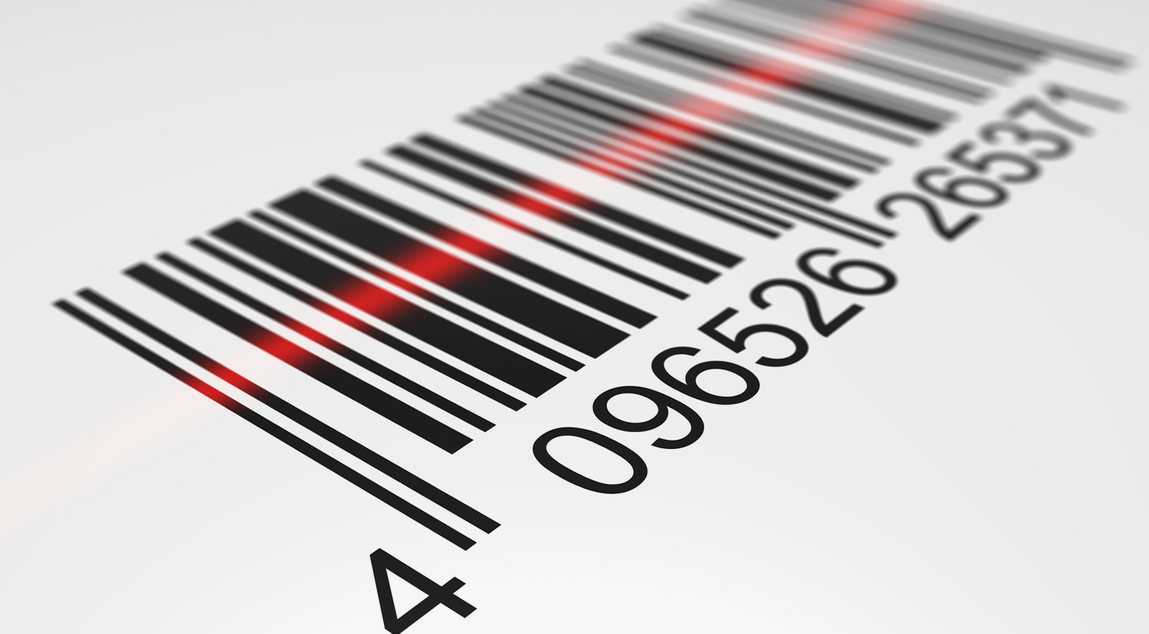
Many venues use a basic scanner that reads the PDF417 barcode on the back of a licence and shows the date of birth. That is useful for age checks and data capture. But forgers can encode a valid-looking barcode easily, and scanner vendors openly warn that a barcode that scans is not proof that the ID is genuine.
A stronger check compares the barcode data with the printed front of the card. Mismatched names, dates or licence numbers are a red flag. Even then, a flag means "look closer", not "definitely fake", because some states truncate long names in the barcode.
Putting it together: a layered check
| Check | What it verifies | Works on | Main limitation |
|---|---|---|---|
| Visual (white light) | Layout, portrait, holograms, tactile features | All IDs | Staff skill, time, lighting |
| UV (365 nm) | Fluorescent patterns, UV-dull substrate | Licences, IDs, passports | Better fakes add UV ink |
| IR (near-infrared) | Ink behaviour, hidden features | Licences, IDs, passports | Needs exact reference template |
| Barcode vs front-print comparison | Data consistency | US licences and IDs | Barcodes are easy to forge |
| Chip (Passive Authentication) | Data integrity via digital signature | e-passports and some national IDs | Not available on US licences |
| Face match to portrait | Person presenting is the holder | Any ID with a photo | Lighting, ageing, policy limits |
No single row is enough. Together, they make a fake far harder to pass.
How Samsotech supports layered ID verification
Samsotech passport and ID scanners use flash-based document capture with integrated smart card and chip reading, and support more than 6,500 international ID formats. eValidate checks documents for security features, data consistency and validity, and flags fake, altered or expired documents before a room key or entry is granted. For gaming venues, eVERIFY adds watchlist and stop-list screening on top of document checks.
Whether you run a hotel, a casino, pub or club, or a secure facility, the right setup depends on which documents you see most. Talk to our team about the checks that fit your door.
FAQs
Can a UV light alone detect a fake ID?
It can catch many low-quality fakes, because genuine US licences must use a UV-dull base and UV fluorescent ink. Better counterfeits copy UV features, so UV should be one layer among several.
Do US driver's licences have a chip?
Standard US licences, including REAL ID licences, do not have a data chip. Enhanced Driver's Licences and passport cards have an RFID tag that stores only a reference number, not readable personal data.
Will a fake ID scan?
Often, yes. Forgers can encode the PDF417 barcode, so a successful scan does not prove authenticity. Compare barcode data with the printed card and use optical security checks.
What is passport chip authentication?
It is the process of reading an e-passport chip and verifying its digital signature (Passive Authentication) back to the issuing country's certificate. Altered chip data fails the check.